There are no items in your cart
Add More
Add More
| Item Details | Price | ||
|---|---|---|---|

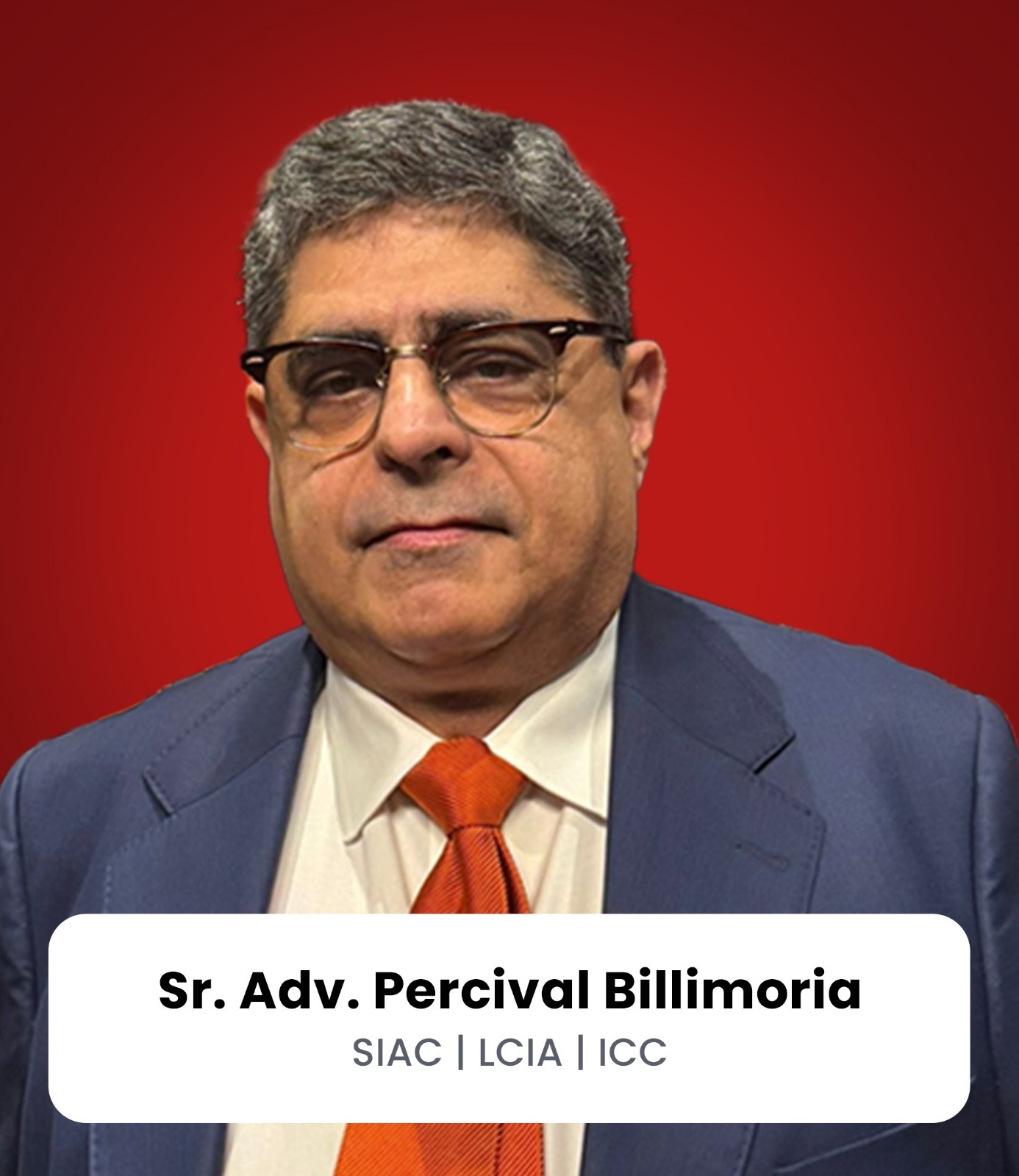
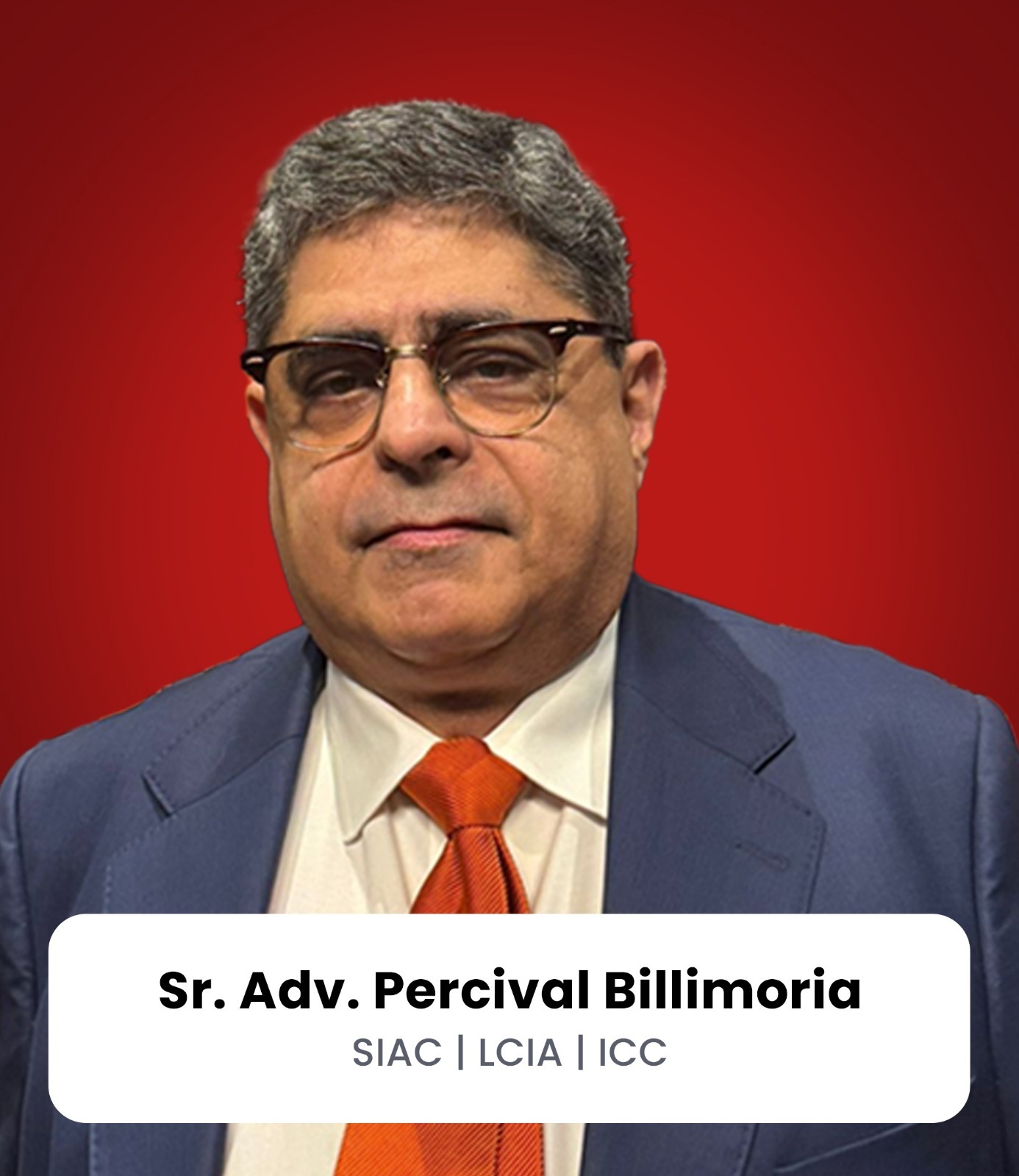
Instructor: Sr. Adv. Percival Billimoria
Language: English
Validity Period: Lifetime
About the Course:
This course on Commercial Arbitration: Theory and Practice is designed by Sr. Adv. Percival Billimoria with the aim to bridge the gap between legal theory and practical facets of dispute resolution through arbitration. Apart from providing a comprehensive coverage of the law and legal theory, the course also covers practical facets of disputes such as formulating a case theory and advocacy in arbitration.
It equips the participants with the essential skills required to build, present, and defend cases across dispute resolution mechanisms. The course emphasises on building strong foundational litigation skills, including case theory development, pleadings, and advocacy. It then provides a comprehensive understanding of arbitration law in India - covering the entire lifecycle of an arbitration—from drafting agreements to enforcement of awards. Participants will gain both conceptual clarity and practical tools to navigate complex commercial disputes effectively. The course will be delivered in two phases. The first phase will comprise 16 sessions. Following a brief summer break, the remaining 14 sessions will be conducted.
Course Instructor: Percival Billimoria, Senior Advocate
About the Course Instructor: Percival Billimoria is a designated Senior Advocate. He is known for his extensive experience in commercial dispute resolution, adversarial matters in competition law and white-collar crime. Practising both in India and internationally, he is regularly appointed as an arbitrator on SIAC, LCIA and ICC cases. He is also a Chartered Accountant, having practised as such before entering the practise of law.
Topic Overview:
1. BUILDING YOUR CASE [10 Sessions]
i. Case Theory ii. Propositions of the Case Theory iii. Establishing Each Proposition iv. Anticipating the Case of Your Opponent v. Final Case Theory vi. Identifying Witnesses vii. Identifying the Need for an Expert Witness viii. Crafting the Plaint/Claim ix. Crafting the Evidence Affidavits x. Counter-Claims xi. Oral advocacy xii. Cross-examination - do’s and don’t’s
2. OVERVIEW OF CONTRACTS AND DAMAGES [2 Sessions]
i. Time as the Essence ii. Reciprocal performance iii. Governing Delay iv. Force Majeure v. Frustration of Contract vi. Termination vii. Breach of Contract viii. Damages for breach ix. Meaning of “loss” x. Liquidated damages xi. Loss of Profit
3. LITIGATION AND ARBITRATON CONCEPTS [2 Sessions]
i. History and evolution of alternate dispute resolution ii. Types of ADR mechanisms iii. Scheme of the Act, 1996 iv. Objectives of arbitration v. Settlements vi. Party autonomy and minimal court intervention vii. Difference between domestic and international commercial arbitration a. Meaning of “commercial” b. Meaning of “habitually resident in any country other than India” viii. “Court” and Jurisdiction ix. “Seat” vs. “venue” x. “Ad-hoc” vs. “institutional” arbitration xi. Separability xii. Applicable law
4. AGREEMENT TO ‘ARBITRATE’ [2 Sessions]
i. Ingredients of a valid arbitration agreement ii. Stamping iii. Meaning of “arising out of” iv. Multi-tier arbitration agreement v. Umbrella agreement vi. Non-signatories bound by an arbitration agreement vii. Pathological arbitration clauses
5. REFERENCE TO ARBITRATION AND THE TRIBUNAL [2 Sessions]
i. Reference of the dispute: a. Agreed procedure for appointment b. Notice c. Number of arbitrators d. Fees ii. Arbitrability – the basics iii. Appointment by Court/Institution a. Salient differences b. Limited scope of enquiry by courts iv. Reference by a “judicial authority” v. New York Convention disputes and reference to arbitration a. Meaning of “null and void” b. Meaning of “inoperable” or “incapable of being performed” vi. Guidelines for arbitrators - independence and availability
6. JURISDICTION OF THE ARBITRAL TRIBUNAL [1 Session]
i. Principle of ‘Kompetenz-Kompetenz’ ii. Whether a threshold issue iii. Remedies
7. INTERIM RELIEF [1.5 Sessions]
i. Interim relief: a. Scope b. At what stage c. When an arbitrator/tribunal is in place ii. Key considerations iii. Emergency arbitration
8. PROCESS OF ARBITRATION [2 Sessions] i. Pleadings ii. Powers and duties of arbitrator/tribunal iii. Rules of procedure iv. Evidential proceedings v. Discovery and summoning witnesses vi. Expert testimony vii. Contempt of orders of the arbitral tribunal
9. ARBITRATION AWARD [2.5 Sessions] i. Time for completion ii. Equity iii. Terms of contract and trade usage iv. Reasoned award v. Interest and costs vi. Partial Award vii. Meaning of “Foreign Award” viii. Rectification ix. Finality of arbitral award
10. CHALLENGE TO A DOMESTIC AWARD [3 Sessions] i. Grounds for challenge - domestic award a. Procedural grounds – rule of law and natural justice b. Substantive grounds i) Fundamental policy of Indian Law explained ii) Patent illegality ii. Limitation period to challenge an award iii. Remand iv. Partial setting aside and “modification” of awards v. Appeal, and writs
11. ENFORCEMENT OF AN AWARD [2 Sessions] i. Enforcement of domestic awards a. Scope b. The Executing Court ii. Stay on enforcement of award and principles of pre-deposit iii. Enforcement of a foreign award a. Scope b. Jurisdiction
Tentative Time Table
|
S. No. |
Date |
Day |
|
|
1 |
11 April 2026 |
Saturday |
|
|
2 |
12 April 2026 |
Sunday |
|
|
3 |
18 April 2026 |
Saturday |
|
|
4 |
19 April 2026 |
Sunday |
|
|
5 |
25 April 2026 |
Saturday |
|
|
6 |
26 April 2026 |
Sunday |
|
|
7 |
02 May 2026 |
Saturday |
|
|
8 |
03 May 2026 |
Sunday |
|
|
9 |
09 May 2026 |
Saturday |
|
|
10 |
10 May 2026 |
Sunday |
|
|
11 |
16 May 2026 |
Saturday |
|
|
12 |
17 May 2026 |
Sunday |
|
|
13 |
23 May 2026 |
Saturday |
|
|
14 |
24 May 2026 |
Sunday |
|
|
15 |
30 May 2026 |
Saturday |
|
|
16 |
31 May 2026 |
Sunday |
|
|
- Break- |
|||
|
17 |
04 July 2026 |
Saturday |
|
|
18 |
05 July 2026 |
Sunday |
|
|
19 |
11 July 2026 |
Saturday |
|
|
20 |
12 July 2026 |
Sunday |
|
|
21 |
18 July 2026 |
Saturday |
|
|
22 |
19 July 2026 |
Sunday |
|
|
23 |
25 July 2026 |
Saturday |
|
|
24 |
26 July 2026 |
Sunday |
|
|
25 |
01 August 2026 |
Saturday |
|
|
26 |
02 August 2026 |
Sunday |
|
|
27 |
08 August 2026 |
Saturday |
|
|
28 |
09 August 2026 |
Sunday |
|
|
29 |
16 August 2026 |
Sunday |
|
|
30 |
22 August 2026 |
Saturday |
|
Course Details:
- Class Duration: 2 hours (1 hour and 30 mins class + 30 mins discussion)
- Time: Saturday: 5.30 PM to 7.30 PM, Sunday: 12.00 PM to 2.00 PM
- Class Frequency: Bi-Weekly (Every Saturday and Sunday)
- Total Number of Sessions: 30
- Total Number of Teaching Hours: 60
- Start Date: 11th April, 2026
- End Date: 16th August, 2026
Course Price: Rs 11,999 (including GST)
Course Evaluation: An end-of-the-course online MCQ based test will be conducted and a certificate of successful completion would be provided to participants obtaining 45% marks or more.
Other learning opportunities:
Research Assistantship: Top participants (judged on the basis of test score conducted in May, performance in class based assignments, if any and class participation) will be eligible to apply as ‘Research Assistants’ at Chamber of Percival Billimoria, Senior Advocate. The Research Assistantship program will be an in-person program at Mr.Billiomoria’ s New Delhi office for June and July 2026.
Five Research Assistants will assist in research for a treatise on Arbitration being authored by Mr. Billimoria. The work will be recognised in the publication and credited by naming the individual. Of these, two Research Assistants will be offered positions commencing August 2026.
B. Internship Opportunities: Internships will be offered to the top 30 participants on the basis of course participation and end-of-course test scores. Internships will commence a month at a time for 3 participants each month starting September 2026. The order of internships will be selected at random.
Secure your slot now !
For queries reach out to us at : judiciary@livelaw.in
or
Contact us on : +91 7994869912