There are no items in your cart
Add More
Add More
| Item Details | Price | ||
|---|---|---|---|

A LiveLaw Academy Programme
Code of Criminal Procedure, 1973 → BNSS, 2023
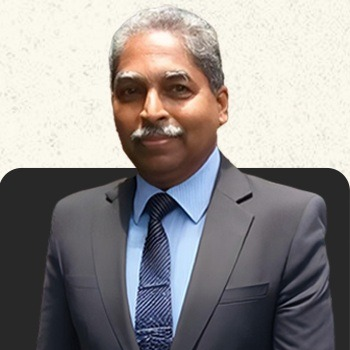
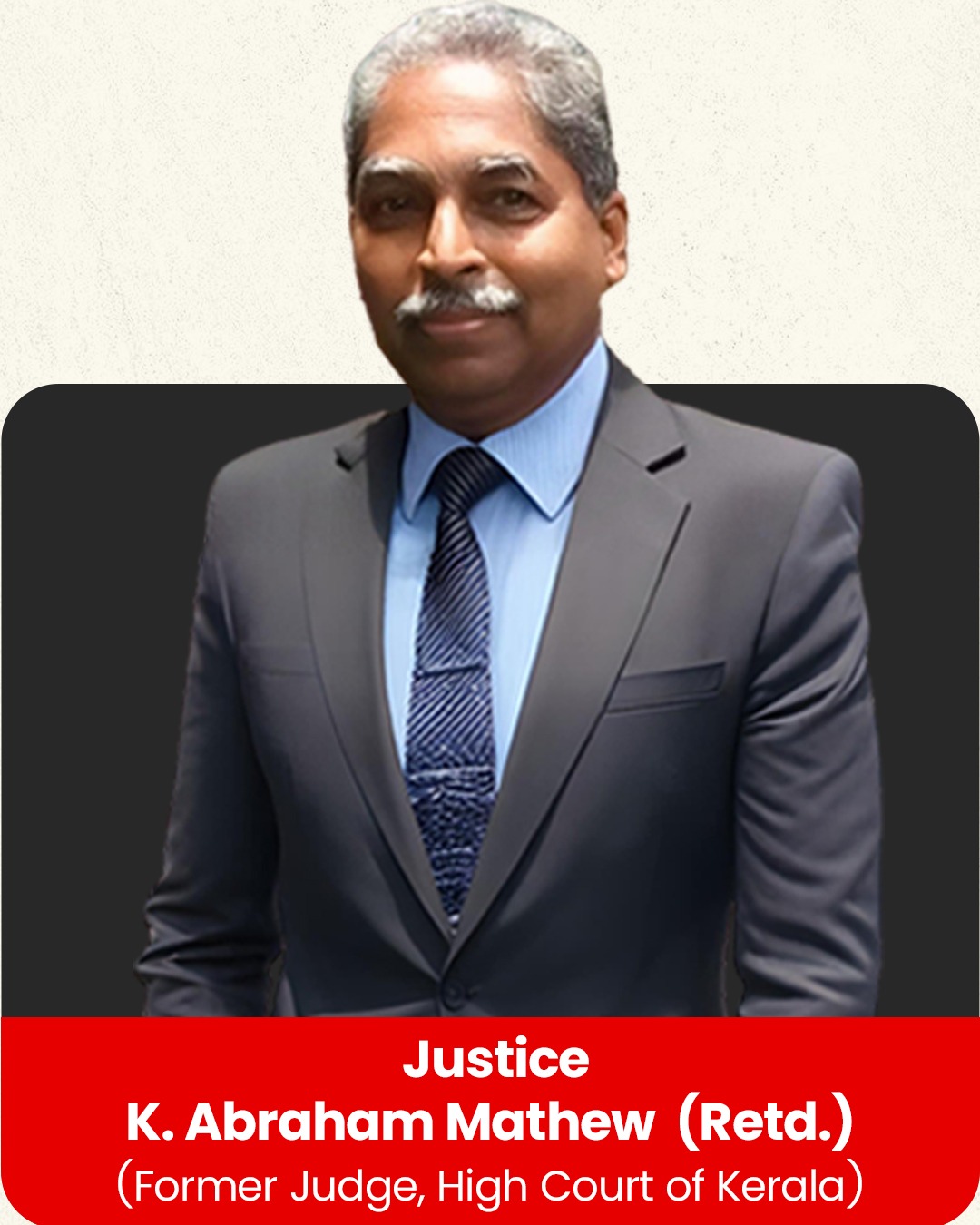
A comprehensive study of India's revamped criminal procedure — from FIR to appeal — taught by Justice K. Abraham Mathew (Retd.), Former Judge, High Court of Kerala.
About the Course
The efficacy of the criminal justice system depends upon its procedural edifice. In India, this procedural edifice has been recently revamped with the enactment of the Bharatiya Nagarik Suraksha Sanhita, 2023 (BNSS), which replaces the Code of Criminal Procedure, 1973. While preserving many established principles of criminal procedure, the BNSS introduces far-reaching changes aimed at making the criminal justice system more efficient, technology-driven, transparent, victim-centric and accountable.
As criminal procedure lays down the constitutive framework for various authorities and institutions and enlists their roles and responsibilities, a basic understanding of procedural law enables citizens to interact with law enforcement agencies without fear. Knowledge of criminal procedure empowers individuals to participate meaningfully in the administration of justice — whether as victims, witnesses, informants, complainants or accused persons. For advocates, judges, prosecutors, investigating officers, law students, judiciary aspirants and even the lay public, a sound understanding of the BNSS is indispensable.
Audience
Learning Outcomes
✓ Identify and analyse the reforms introduced by the BNSS and distinguish them from the provisions of the erstwhile Code of Criminal Procedure, 1973
✓ Understand every stage of criminal proceedings — FIR, preliminary inquiry, investigation, arrest, search and seizure, filing of the police report, bail, cognizance, trial, judgment, appeals and execution of sentences
✓ Recognise the rights, duties and responsibilities of victims, accused persons, police officers, Magistrates, prosecutors and witnesses under the BNSS
✓ Interpret the provisions of the BNSS in light of constitutional principles — equality, personal liberty, fair procedure and access to justice
✓ Develop practical litigation skills relating to bail, remand, discharge, compounding and other procedural remedies
✓ Understand the integration of technology into criminal procedure, including electronic communication, digital records, audio-video recording and electronic summons
✓ Assess the legal implications of procedural irregularities on trial
Course Curriculum
Faculty
Former Judge, High Court of Kerala
Justice Mathew obtained his Law degree from Law College, Thane (University of Bombay). He joined the Judicial service in 1988 and served as the Munsiff-Magistrate. He was promoted as Sub Judge in 1992 and promoted as District Judge in 2001.
He served as the Director, Kerala Judicial Academy, from 2010 to 2012. He served as the Registrar (Vigilance), High Court of Kerala in 2012 and served as the District & Sessions Judge, from March 2013 till December 2013. He was sworn-in as the Additional Judge of the High Court of Kerala on 01-01-2014 and appointed as a Permanent Judge of the High Court of Kerala with effect from 10-03-2016. He retired on 18-01-2019.
Career Timeline
• 1988 — Joined judicial service as Munsiff-Magistrate
• 1992 — Promoted Sub Judge
• 2001 — Promoted District Judge
• 2010–2012 — Director, Kerala Judicial Academy
• 2012 — Registrar (Vigilance), High Court of Kerala
• 2013 — District & Sessions Judge
• 2014 — Additional Judge, High Court of Kerala
• 2016–2019 — Permanent Judge, High Court of Kerala
How You Will Learn
Course Details
Programme Includes
BNSS and BNS are also available together as the Core Criminal Law Course, at a combined saving.
Core Criminal Law Course (BNS & BNSS)
₹9,999 (Incl. GST) — Save ₹1,999 compared to enrolling separately (₹11,998)
Prefer BNS on its own? View the standalone BNS course.
FAQ
Yes. Recordings of every session are made available on the course portal and remain accessible for 6 months from the last class.
Contact
Join a programme designed for practitioners, students and officers who read the code for a living.
Enroll Now Download Curriculum